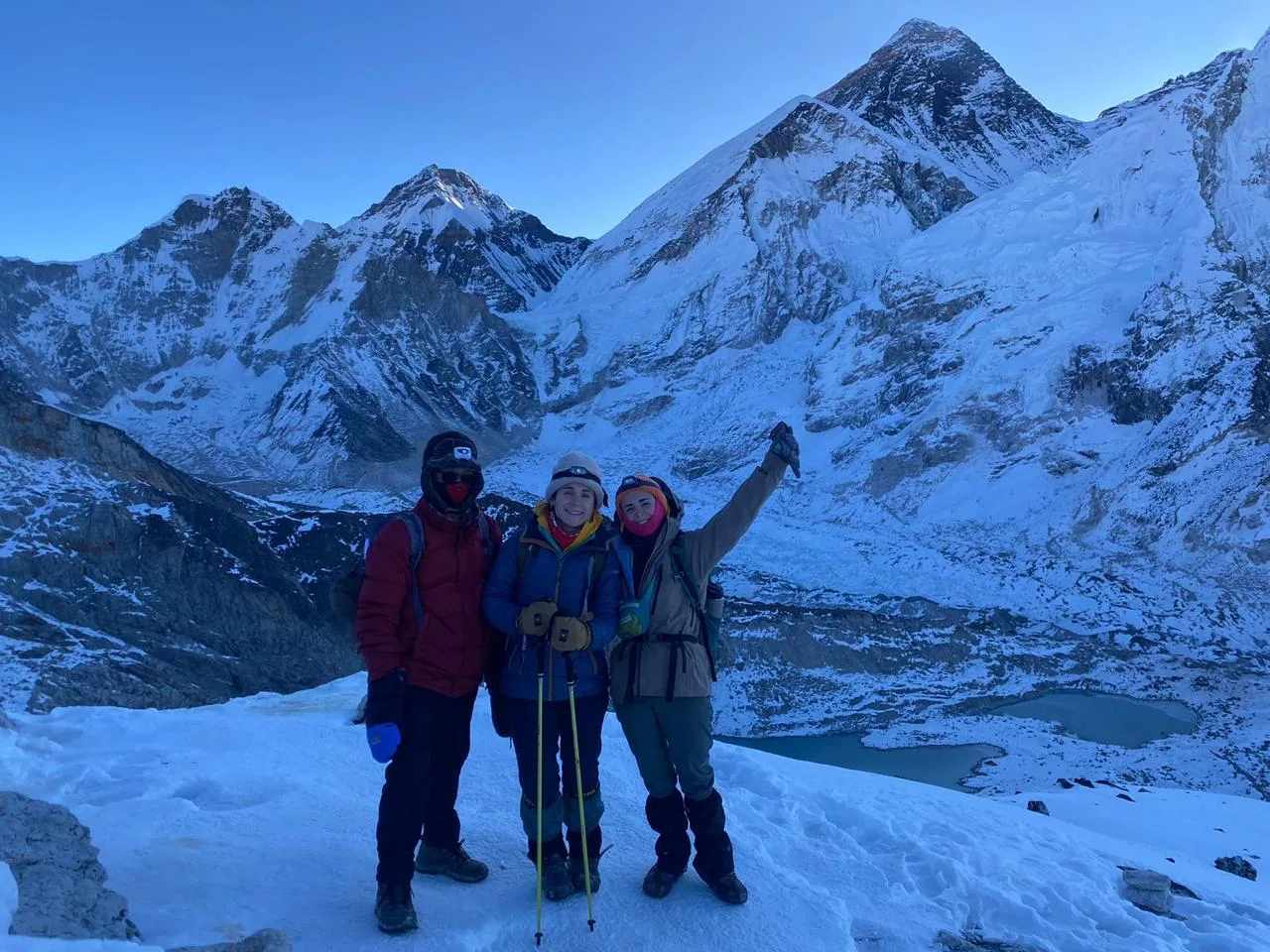
10 Mistakes Trekkers Make in Nepal (From a Local Guide’s Perspective)

Real trail lessons from the Himalayas


Introduction: What Most Trekkers Get Wrong

Every trekking season, thousands of international travelers land in Nepal with one goal: to walk deep into the Himalayas and experience something extraordinary.

They research routes like Everest Base Camp, compare itineraries for the Annapurna Base Camp, and watch endless videos online.

Still, the same mistakes repeat.

Not because people are careless. Because trekking in Nepal is misunderstood.

From the outside, it looks like a long scenic walk. From the inside, it’s a layered experience shaped by altitude, culture, weather, logistics, and mindset.

Let’s break down the most common mistakes trekkers make in Nepal, based on real trail experience, and how to avoid them if you want your trek to be successful, safe, and meaningful.


1. Choosing the Wrong Trek for Your Ability

The SEO Reality:

Search terms like “best trek in Nepal” or “Everest Base Camp difficulty” often push beginners toward advanced routes.

The most common scenario:
A first-time trekker books the Everest Base Camp because it’s famous.

Ground Reality:

Everest Base Camp is not a technical climb. But it demands:

  • 10–14 days of continuous walking
  • high altitude exposure
  • physical and mental endurance

Guide Anecdote:

A trekker from Europe once joined a group with zero multi-day hiking experience. By day three, just before Namche Bazaar, he was exhausted, demotivated, and questioning the entire trip.

He didn’t lack fitness. He lacked context.

Fix:

Choose based on:

  • prior trekking experience
  • altitude exposure
  • recovery capacity

Better alternatives for beginners:

  • Ghorepani Poon Hill
  • Lower Annapurna routes

2. Ignoring Altitude and Acclimatization

Altitude is the number one reason treks fail.

The Mistake:

Trekkers follow aggressive itineraries to “save time.”

They ascend too quickly.

What Happens:

Symptoms of Acute Mountain Sickness (AMS):

  • headaches
  • nausea
  • loss of appetite
  • insomnia

Guide Anecdote:

Near Dingboche, a trekker insisted on continuing despite symptoms. By evening, descent was no longer optional—it was urgent.

Altitude doesn’t give second chances.

Fix:

  • follow a gradual ascent
  • add acclimatization days (especially at Namche and Dingboche)
  • hydrate aggressively
  • never ignore symptoms

3. Packing Without Strategy

Two extremes:

  • overpacking
  • underpacking

Overpacking Issues:

  • heavy backpacks
  • reliance on porters
  • physical strain

Underpacking Issues:

  • lack of thermal layers
  • poor rain protection
  • inadequate footwear

Guide Anecdote:

A trekker brought 18 kg of gear for a 10-day trek in the Annapurna Region. By day two, half of it was unused—but still carried.

Fix:

Essential categories:

  • layered clothing system
  • waterproof outer shell
  • broken-in trekking boots
  • minimal but functional gear

Pack for efficiency, not “what if” scenarios.


4. Using Brand-New Gear

New gear fails under real conditions.

The Mistake:

Trekkers arrive with:

  • unused boots
  • untested backpacks

Result:

  • blisters by day two
  • shoulder fatigue
  • avoidable discomfort

Guide Anecdote:

On the trail to Tengboche, a trekker had to stop early due to severe blisters caused by new boots.

The trek didn’t end because of altitude. It ended because of footwear.

Fix:

  • break in boots weeks before
  • test full gear setup
  • simulate long walking days

5. Underestimating Himalayan Weather

The weather in Nepal is unpredictable.

The Mistake:

Assuming stable conditions during peak seasons.

Reality:

In the Himalayas:

  • Mornings can be clear
  • Afternoons bring clouds or snow
  • Temperatures drop rapidly with altitude

Guide Anecdote:

During an Annapurna Basecamp trek, a clear morning turned into snowfall within hours. Trekkers without proper layers struggled to continue.

Fix:

Carry:

  • waterproof jacket
  • insulating layers
  • gloves and a hat

Always prepare for sudden change.


6. Treating the Trek as Only a Physical Activity

Nepal trekking is a cultural immersion.

The Mistake:

Trekkers focus only on landscapes.

They ignore:

  • local traditions
  • village life
  • social interaction

Guide Anecdote:

In a small village near the Langtang Valley, a family invited trekkers for tea. Some declined to “save time.”

They missed the most authentic moment of their trek.

Fix:

  • engage with locals
  • respect customs
  • slow down in villages

The culture is part of the journey.


7. Poor Hydration and Nutrition

Altitude reduces appetite.

Trekkers eat less and drink less.

Result:

  • fatigue
  • poor acclimatization
  • increased AMS risk

Guide Anecdote:

A trekker relying only on snacks struggled by mid-trek. After switching to regular meals (dal bhat), energy levels stabilized.

Fix:

  • Drink 3–4 liters daily
  • Eat full meals
  • Prioritize carbohydrates

Dal bhat is not just food—it’s fuel.


8. Rushing the Trek

Trekkers try to compress itineraries.

The Mistake:

Short timelines driven by:

  • limited vacation
  • cost concerns

Reality:

Rushing increases:

  • altitude risk
  • fatigue
  • reduced experience quality

Guide Anecdote:

On a fast-track Everest Base Camp itinerary, trekkers skipped acclimatization. Half the group turned back early.

Fix:

  • Allow buffer days
  • Prioritize experience over speed

9. Trekking Without Proper Guidance

Solo trekking is possible—but not always wise.

Risk Factors:

  • navigation errors
  • weather changes
  • altitude mismanagement

In routes like the Manaslu Circuit, guides are mandatory.

Guide Anecdote:

A solo trekker took a wrong path in poor visibility. Hours were lost before correction.

Fix:

  • Hire a guide for complex routes
  • Use local expertise
  • Prioritize safety over independence

10. Focusing Only on the Destination

Trekkers fixate on endpoints:

The Mistake:

Treating the journey as a task.

Reality:

The most memorable parts are:

  • village interactions
  • quiet moments
  • unexpected landscapes

Guide Anecdote:

A trekker reached Everest Base Camp but later said the best moment was a quiet sunrise before Namche Bazaar.

Fix:

Shift focus:

The trek itself is the experience.


Conclusion: Trek Smarter, Experience Deeper

Trekking in Nepal is not just about reaching a destination in the Himalayas.

It is a combination of:

  • preparation
  • awareness
  • cultural respect
  • pacing

Avoiding these mistakes changes everything:

  • safer trek
  • richer experience
  • stronger connection to Nepal

For trekkers planning routes like Everest Base Camp or the Annapurna Base Camp, the difference between a difficult trip and an unforgettable one is rarely physical strength.

It is understanding how trekking in Nepal actually works.


Planning Your Trek with Local Expertise

At Karmaia Adventures, treks are built from real trail experience—not generic templates.

Each itinerary considers:

  • acclimatization
  • pacing
  • cultural immersion
  • safety

For those serious about trekking in Nepal, the right preparation starts before you arrive.

Restricted Area Permits in Nepal: 2026 Guide to Costs, Regions, and Requirements

Major Policy Shift: Upper Mustang Permit Reform and Its Impact on Tourism

Nepal’s restricted area permit framework has long been one of the defining regulatory systems governing high-altitude and culturally sensitive Himalayan regions. In late November 2025, the Government of Nepal implemented a major reform affecting one of the country’s most iconic restricted destinations: Upper Mustang. Historically, foreign trekkers were required to pay a blanket USD 500 fee covering the first ten days regardless of actual length of stay, which often discouraged short visits or exploratory itineraries. The system was criticized for charging travelers for unused days, limiting flexibility and deterring potential visitors who were curious about the region but unwilling to commit to extended expeditions.

Under the updated regulations, Upper Mustang now follows a daily permit model costing USD 50 per person per day. Instead of paying a flat rate, visitors only pay for the exact duration of their stay. This policy shift reflects broader tourism strategy changes designed to increase accessibility while maintaining revenue for conservation and local communities. Officials and industry stakeholders have emphasized that daily pricing is more transparent and equitable, allowing tourists to design shorter cultural trips, jeep tours, or exploratory journeys without being penalized financially.

The implications of this change are significant. Short-term travelers who previously avoided the region due to high upfront costs now have a viable entry point. Trekking agencies report growing interest from travelers seeking shorter itineraries of eight to fourteen days rather than longer, traditional trekking routes. From an economic standpoint, the change is expected to stimulate local economies by increasing visitor numbers and distributing tourism income across more small businesses rather than concentrating revenue solely in long-duration trekking packages.

Moreover, the policy positions Nepal competitively against neighboring Himalayan destinations such as Bhutan and Tibet, where strict tourism controls and high daily fees have historically shaped visitor flows. By balancing accessibility with regulation, Nepal aims to encourage responsible tourism while preserving fragile cultural heritage and natural landscapes.

With this reform setting the tone for evolving tourism policy, understanding the full landscape of restricted area permits in Nepal becomes essential for travelers, trekking operators, and tourism professionals. The following sections provide a comprehensive breakdown of each restricted region, associated permit requirements, costs, and logistical considerations.

Understanding Restricted Area Permits in Nepal

Restricted area permits (RAPs) are special authorization documents issued by the Nepal Department of Immigration for designated border and culturally sensitive regions. These areas are typically located near the Tibetan frontier or in ecologically fragile zones where uncontrolled tourism could disrupt local traditions or damage the environment. Access is tightly regulated through mandatory permits, licensed guides, and minimum group requirements in many cases.

The purpose of RAPs extends beyond revenue collection. Nepal uses these permits to control visitor numbers, protect indigenous cultures, and monitor environmental impact in remote regions where infrastructure is limited and emergency services may be minimal.

In addition to RAPs, travelers often require supplementary permits such as national park entry permits, conservation area passes, or regional taxes. For example, treks through Manaslu require both restricted area permits and conservation area permits due to the region’s inclusion within protected landscapes.

Upper Mustang Restricted Area

Overview

Upper Mustang lies in north-central Nepal near the Tibetan plateau and represents one of the most culturally preserved Himalayan regions. The walled city of Lo Manthang and surrounding villages maintain strong Tibetan Buddhist traditions, architecture, and language patterns.

Permit Requirements and Fees

  • Current system: USD 50 per person per day under the revised daily pricing model.
  • Previous system: USD 500 for the first ten days regardless of length of stay.

Additional permits such as the Annapurna Conservation Area Permit may also apply depending on the trekking route.

Tourism and Economic Impact

The daily fee structure is expected to encourage shorter trips and expand tourism beyond traditional multi-week expeditions. This accessibility fosters increased economic activity in local lodges, transportation services, and cultural tourism operations.

Upper Dolpa Restricted Area

Overview

Upper Dolpa is among the most remote trekking destinations in Nepal, characterized by high-altitude plateaus, Buddhist monasteries, and isolated communities influenced by Tibetan culture.

Permit Fees

  • USD 500 per person for the first ten days
  • USD 50 per person per day beyond ten days

Additional Requirements

Travelers typically need entry permits for Shey Phoksundo National Park and must trek with a licensed guide.

Tourism Characteristics

High costs and logistical complexity keep visitor numbers relatively low, preserving the area’s pristine environment and cultural integrity.

Lower Dolpa Restricted Area

Overview

Lower Dolpa serves as a transitional zone between remote Upper Dolpa and more accessible trekking regions.

Permit Fees

  • USD 20 per person per week
  • USD 5 per day after the first week

Tourism Notes

Lower Dolpa provides an alternative for trekkers seeking cultural immersion without the higher financial barriers of Upper Dolpa.

Manaslu Restricted Area

Overview

The Manaslu region offers a remote alternative to the Annapurna Circuit, combining high mountain scenery with traditional villages.

Permit Fees

  • September to November: USD 100 per week plus USD 15 per additional day
  • December to August: USD 75 per week plus USD 10 per additional day

Additional Permits

Travelers must obtain the Manaslu Conservation Area Permit and often the Annapurna Conservation Area Permit as well.

Tsum Valley Restricted Area

Overview

Located in northern Gorkha near the Tibetan border, Tsum Valley is known for its sacred monasteries and strong Buddhist heritage.

Permit Fees

  • September to November: USD 40 per week plus USD 7 per additional day
  • December to August: USD 30 per week plus USD 7 per additional day

Tourism Features

The valley’s isolation and spiritual significance require controlled visitor access to protect local traditions.

Nar Phu Valley Restricted Area

Overview

Nar and Phu villages lie northeast of Manang and remain culturally distinct due to geographic isolation.

Permit Fees

  • September to November: USD 100 per person for the first seven days
  • December to August: USD 75 per person for the first seven days
  • Additional days: USD 15 per day

Tourism Considerations

The valley’s limited infrastructure and fragile environment necessitate strict permit control.

Humla Restricted Area

Overview

Humla is one of Nepal’s least visited districts, offering remote trekking experiences near the Tibetan border.

Permit Fees

  • USD 50 per person per week
  • USD 10 per additional day

Travel Notes

Access often involves flights to Simikot and extensive logistical planning.

Taplejung / Kanchenjunga Restricted Area

Overview

The Kanchenjunga region in eastern Nepal combines alpine landscapes with traditional mountain communities.

Permit Fees

  • USD 20 per week for the first four weeks
  • USD 25 per week beyond four weeks

Tourism Characteristics

The area remains relatively uncrowded compared to Everest and Annapurna regions.

Makalu Barun Restricted Area

Overview

The Makalu Barun region combines high Himalayan peaks with biodiversity-rich valleys.

Permit Fees

  • USD 20 per week for the first four weeks

Additional Permit Rules and Travel Requirements

Most restricted areas impose additional logistical conditions:

  • Trekking with a licensed guide is mandatory in many regions.
  • Minimum group size requirements often apply.
  • Permits must be carried at all times and presented upon request at checkpoints.

Conservation area permits and national park entry passes may also be required depending on trekking routes.

Why Nepal Maintains Restricted Area Policies

Nepal’s restricted area framework balances economic development with environmental protection and cultural preservation. Remote communities depend on tourism income but also require safeguards against mass tourism that could erode traditions or damage fragile ecosystems. Permit fees provide funding for conservation, infrastructure, and local livelihoods while controlling visitor numbers.

The evolving policies, particularly the Upper Mustang reform, demonstrate Nepal’s attempt to modernize tourism management while preserving its Himalayan heritage. By transitioning from rigid fee structures to more flexible daily pricing models, Nepal encourages broader participation in tourism without sacrificing sustainability goals.

Conclusion

Restricted area permits remain a defining feature of Nepal’s trekking landscape, shaping travel patterns across the country’s most remote and culturally significant regions. From the newly restructured Upper Mustang permit to longstanding high-cost zones such as Upper Dolpa and flexible seasonal fees in Manaslu and Nar Phu, each region reflects a balance between accessibility and preservation.

The recent shift toward daily pricing in Upper Mustang marks a pivotal moment in Nepal’s tourism strategy. By lowering financial barriers and encouraging shorter visits, the reform has the potential to increase visitor numbers, diversify travel itineraries, and deliver broader economic benefits to local communities. As Nepal continues refining its permit system, travelers can expect evolving policies aimed at maintaining cultural authenticity, protecting fragile ecosystems, and ensuring sustainable tourism growth across the Himalayas.

Top 5 Trekking Destinations in Nepal and How Karmaia Adventures Can Make It Happen

Nepal is one of the most loved trekking countries in the world. People come here to walk among tall mountains, quiet forests, and peaceful villages. Trekking in Nepal is not only about reaching a destination. It is about the journey, the people you meet, and the memories you take home.

If you are planning a trek in Nepal and want it to be smooth, safe, and memorable, Karmaia Adventures is a trusted local company that helps turn your trekking dream into reality. With local knowledge and personal care, they guide trekkers through some of the most beautiful trails in the Himalayas.

Here are the top five trekking destinations in Nepal that you should not miss.

1. Everest Base Camp Trek

The Everest Base Camp trek is one of the most famous trekking routes in the world. This trail takes you close to Mount Everest, the highest mountain on Earth. You walk through Sherpa villages, cross hanging bridges, and enjoy stunning mountain views every day.

Along the way, you learn about Sherpa culture, visit old monasteries, and feel the excitement of being in the Everest region. Reaching Everest Base Camp is a proud moment for many trekkers.

Karmaia Adventures helps you plan this trek with proper acclimatization, experienced guides, and comfortable lodges so you can enjoy the journey without stress.

2. Annapurna Circuit Trek

The Annapurna Circuit is a classic trek that shows many sides of Nepal. The trail passes through green valleys, dry mountain areas, and high mountain passes. One of the highlights is crossing Thorong La Pass, one of the highest trekking passes in the world.

This trek is special because the scenery changes almost every day. You also meet people from different cultures and traditions along the way.

With Karmaia Adventures, your Annapurna Circuit trek is carefully planned so your pace is right and your experience is safe and enjoyable.

3. Langtang Valley Trek

The Langtang Valley trek is perfect for trekkers who want beautiful scenery without large crowds. It is close to Kathmandu and offers stunning views of snow covered peaks, forests, and open meadows.

This region is home to the Tamang community, and trekking here gives you a chance to learn about their culture and way of life. The walk feels peaceful and close to nature.

Karmaia Adventures can organize this trek with local guides who know the area well and make the journey meaningful.

4. Annapurna Base Camp Trek

The Annapurna Base Camp trek takes you deep into the heart of the Annapurna mountains. The trail goes through charming villages, forests of rhododendron, and wide mountain valleys.

Reaching Annapurna Base Camp feels magical as you are surrounded by tall peaks on all sides. This trek is popular because it offers incredible views in a shorter time compared to longer routes.

Karmaia Adventures makes sure your Annapurna Base Camp trek is comfortable, well paced, and full of unforgettable moments.

5. Mardi Himal Trek

The Mardi Himal trek is a hidden gem in the Annapurna region. It is shorter and quieter than many other treks but still offers amazing mountain views. The trail goes through forests, ridges, and open viewpoints facing Machapuchare and Annapurna.

This trek is ideal for people who want a peaceful walk and stunning scenery without spending many weeks on the trail.

Karmaia Adventures can customize the Mardi Himal trek based on your time and fitness level.

How Karmaia Adventures Makes Your Trek Easy:

Trekking in Nepal needs good planning, local knowledge, and proper support. Karmaia Adventures takes care of all these details so you can focus on enjoying the journey.

They help with route planning, permits, guides, accommodation, and safety throughout the trek. Their team understands the mountains and treats every trekker with personal care.

Whether you are a first time trekker or an experienced hiker, Karmaia Adventures helps you explore Nepal with confidence and comfort.

Final Words

Nepal offers some of the best trekking experiences in the world. From the famous Everest Base Camp to the quiet trails of Mardi Himal, each trek has its own beauty. With Karmaia Adventures by your side, your trekking journey becomes easier, safer, and more memorable.

If Nepal is on your trekking list, now is the perfect time to make it happen. Contact us to make it happen.

Fake rescue scams in Nepal’s Himalayas and why we stand against it.

Recent investigations have again exposed a long-running problem in Nepal’s adventure tourism sector: fake helicopter rescue scams operating in the Himalayas. Despite being identified years ago, this unethical practice has continued to damage Nepal’s reputation, exploit insurance systems, and undermine genuine trekking operations.

At Karmaia Adventures, we are against this entirely.

According to official investigations, certain trekking agencies, guides, helicopter companies, and medical facilities colluded to fabricate emergency evacuations. Minor altitude discomfort, fatigue, or even healthy trekkers were falsely classified as critical medical cases. Helicopters were dispatched not to save lives, but to generate inflated insurance claims. In some cases, the same flight was billed multiple times to different insurers.

This is not rescue. It is fraud.

These scams distort the purpose of helicopter evacuation, which exists for real, life-threatening emergencies. When evacuation becomes a business model rather than a safety protocol, everyone loses. Insurance premiums rise. Coverage becomes restricted. Legitimate rescue cases face delays. Responsible operators are unfairly lumped together with criminals.

Karmaia Adventures has zero tolerance for this behavior.

We design itineraries conservatively. We prioritize acclimatization. We employ experienced, well-trained guides who understand altitude physiology and risk management. We educate clients clearly before and during treks about what is normal discomfort versus true danger. Because of this approach, Karmaia Adventures has never had to rescue any client by helicopter.

That fact is not luck. It is systems, discipline, and ethics.

Altitude sickness is real, and rescues are sometimes unavoidable. But most emergencies can be prevented through proper pacing, rest days, hydration, and early decision-making. Fake rescues thrive only when agencies cut corners, push itineraries too fast, or treat clients as insurance opportunities instead of human beings.

The long-term damage is serious. International insurers are already tightening policies for Nepal. Some are increasing deductibles or excluding helicopter coverage altogether. When trust collapses, it hurts trekkers first and ethical operators second. Nepal risks losing its competitive position as a premier trekking destination.

The continued existence of this racket also reflects regulatory failure. Investigations without sustained enforcement allow corruption to regroup and evolve. Arrests matter, but permanent reform requires strict auditing, transparent billing, real medical verification, and license revocation for offenders. Anything less invites repetition.

Karmaia Adventures believes the future of Nepal’s adventure tourism depends on integrity. We do not sell fear. We do not pressure evacuations. We do not participate in insurance manipulation. Our responsibility is to deliver safe, honest, and well-managed Himalayan experiences.

The mountains demand respect. So should the industry that operates within them.

Lost Your Passport in Nepal? Here’s What to Do

Losing a passport is one of those travel moments that can turn your stomach inside out. One second you’re soaking in the vibe of a new place, and the next you’re frantically patting your pockets like you’re in a badly written spy movie.

And if you’re reading this because it just happened to you or someone you know — deep breath. Truly. It’s a mess, but it’s a fixable mess.

To make this guide feel more real, let’s walk through a scenario we recently encountered:
a traveler from Spain who lost their passport while visiting Nepal.

1. When You Realize It’s Gone: Pause and Retrace

Our Spanish traveler was trekking in the Everest region and were in Kathmandu, hopping between the bustling streets of Thamel and Durbar Square. At some point, their passport vanished — maybe from a jacket pocket, maybe left behind at a guesthouse desk, no one really knows.
Before doing anything else, they retraced their steps and checked:

  • Every backpack compartment (even the tiny hidden ones)
  • Jacket pockets
  • Hotel drawers, under the bed, behind the nightstand
  • Taxi receipts, restaurant tables, trekking gear bags
  • Still nothing

If you find yourself in the same situation, give yourself 10–15 minutes for a calm, systematic search. A lot of “lost” passports turn up in the least glamorous places.

2. File a Police Report in Nepal


Once it became clear the passport wasn’t going to magically reappear, our traveler headed to the nearest police station in Kathmandu.
In Nepal, police stations are used to assisting foreign tourists with lost documents. The officers issued a police report, which later helped at the embassy.

3. Contact the Spanish Councilor in Nepal


Here’s the lifeline moment. Spain has an honorary consulate in Kathmandu, and they deal with lost passports more often than you’d think. Our staff helped and emailed and called them, explained the situation, and booked an appointment.
The embassy asked for:

  • The police report
  • A photocopy or digital picture of the passport (luckily, they had one saved!)
  • Passport-sized photos
  • Identification (driver’s license, photocopies, etc.)
  • A filled-out application for a replacement document
  • Travel itinerary

4. Get an Emergency Travel Document or New Passport


Depending on your situation, the embassy will offer one of these:


Emergency Travel Document


Perfect if you need to get home soon.
This was the case for our Spanish traveler — they had a flight home in a few days.

New Passport


Works if you’re staying longer or continuing your trip.
The Spanish embassy handled the paperwork quickly, and within a short window, the traveler had a temporary passport to get them safely home.

5. Adjust Plans (If Needed)


Losing a passport can delay travel plans. In this case:

  • The airline allowed the traveler to rebook without heavy penalties
  • The hotel extended their stay while they handled paperwork
  • Travel insurance covered some of the unexpected expenses
    Not every company is so generous, but many are surprisingly flexible in passport-loss situations.

6. Protect Yourself from Identity Misuse


A passport isn’t like losing a keychain — it’s a sensitive document.
After getting the emergency travel document, our traveler:

  • Notified Spanish authorities to cancel the lost passport
  • Monitored their email and accounts for unusual activity
  • Kept copies of the police report and embassy paperwork for future reference
    Small steps, big peace of mind.

7. Lessons Learned (The Comfortable Kind)


Once the dust settled, our traveler built a better system:

  • Kept digital copies of passport pages in cloud storage
  • Stored the passport in a dedicated zipped pocket
  • Used a neck pouch on transit days
  • Carried it only when required (e.g., border crossings, hotel check-ins)
    Travel teaches us things — sometimes gently, sometimes with paperwork.

Final Thoughts


Losing a passport abroad feels intense, but it doesn’t have to ruin your trip or your peace of mind. Our traveler from Spain made it home safely, a little wiser, with a story they’ll probably tell for years.
If you find yourself in the same shoes somewhere in Nepal or anywhere else in the world, remember:
you’re not stuck, you’re just detouring.
And with the right steps, it’s a detour you can absolutely navigate.

Where a Spanish Citizen Should Go in Nepal If Their Passport Is Lost


If you’re a Spanish traveler in Nepal and your passport suddenly disappears (hey, it happens to the best of us), here’s the part most people don’t realize: Spain does not have a full embassy inside Nepal.
But don’t panic — you’re still covered.

1. Spanish Honorary Consulate in Kathmandu (First Stop)


This is your closest, friendliest lifeline on the ground.
They can guide you, help verify your identity, and coordinate with the Embassy of Spain in New Delhi to get you sorted.
📍 Address:
Dwarika’s Village Hotel
P.O. Box 459, Battisputali
Kathmandu, Nepal
☎️ Phone:
(+977) 1 447 9448
(+977) 1 447 0770
📱 WhatsApp:
(+977) 985 140 0269
📧 Email:
archana@dwarikas.com
sabina@dwarikas.com
🕒 Hours:
Monday–Friday, roughly 10:00–17:00 (usually by appointment)


They’re used to helping travelers through these hiccups, so you’ll be in good hands.

2. Embassy of Spain in New Delhi (Official Authority for Nepal)


This is the embassy that actually issues emergency travel documents and replacement passports for Spanish nationals in Nepal.
The Honorary Consulate in Kathmandu will typically coordinate with them, but here’s the info in case you need to contact them directly:
📍 Address:
Embassy of Spain
12 Prithviraj Road
New Delhi 110011
India
☎️ Phone:
(+91) 11 4129 3000
📧 Email:
emb.nuevadelhi.nac@maec.es
emb.nuevadelhi@maec.es


If you need an Emergency Travel Document, this is usually where the process completes — but you won’t necessarily need to travel to India. The embassy often works with the Honorary Consulate in Kathmandu to issue what you need while you stay in Nepal.