


10 Mistakes Trekkers Make in Nepal (From a Local Guide’s Perspective)
Guide
April 27, 2026
5 min read
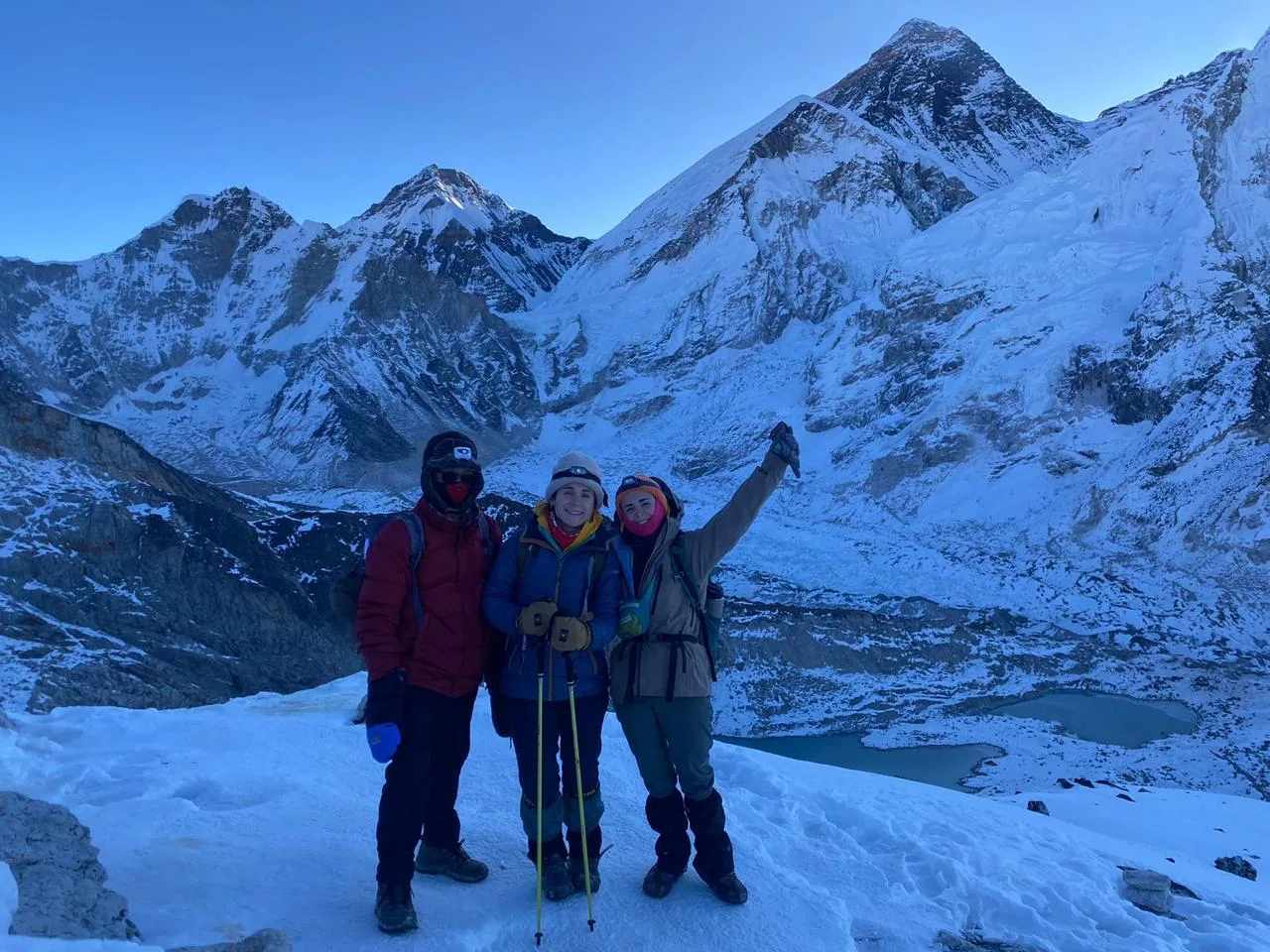
Real trail lessons from the Himalayas
Introduction: What Most Trekkers Get Wrong
Every trekking season, thousands of international travelers land in Nepal with one goal: to walk deep into the Himalayas and experience something extraordinary.
They research routes like Everest Base Camp, compare itineraries for the Annapurna Base Camp, and watch endless videos online.
Still, the same mistakes repeat.
Not because people are careless. Because trekking in Nepal is misunderstood.
From the outside, it looks like a long scenic walk. From the inside, it’s a layered experience shaped by altitude, culture, weather, logistics, and mindset.
Let’s break down the most common mistakes trekkers make in Nepal, based on real trail experience, and how to avoid them if you want your trek to be successful, safe, and meaningful.
1. Choosing the Wrong Trek for Your Ability
The SEO Reality:
Search terms like “best trek in Nepal” or “Everest Base Camp difficulty” often push beginners toward advanced routes.
The most common scenario:
A first-time trekker books the Everest Base Camp because it’s famous.
Ground Reality:
Everest Base Camp is not a technical climb. But it demands:
- 10–14 days of continuous walking
- high altitude exposure
- physical and mental endurance
Guide Anecdote:
A trekker from Europe once joined a group with zero multi-day hiking experience. By day three, just before Namche Bazaar, he was exhausted, demotivated, and questioning the entire trip.
He didn’t lack fitness. He lacked context.
Fix:
Choose based on:
- prior trekking experience
- altitude exposure
- recovery capacity
Better alternatives for beginners:
- Ghorepani Poon Hill
- Lower Annapurna routes
2. Ignoring Altitude and Acclimatization
Altitude is the number one reason treks fail.
The Mistake:
Trekkers follow aggressive itineraries to “save time.”
They ascend too quickly.
What Happens:
Symptoms of Acute Mountain Sickness (AMS):
- headaches
- nausea
- loss of appetite
- insomnia
Guide Anecdote:
Near Dingboche, a trekker insisted on continuing despite symptoms. By evening, descent was no longer optional—it was urgent.
Altitude doesn’t give second chances.
Fix:
- follow a gradual ascent
- add acclimatization days (especially at Namche and Dingboche)
- hydrate aggressively
- never ignore symptoms
3. Packing Without Strategy
Two extremes:
- overpacking
- underpacking
Overpacking Issues:
- heavy backpacks
- reliance on porters
- physical strain
Underpacking Issues:
- lack of thermal layers
- poor rain protection
- inadequate footwear
Guide Anecdote:
A trekker brought 18 kg of gear for a 10-day trek in the Annapurna Region. By day two, half of it was unused—but still carried.
Fix:
Essential categories:
- layered clothing system
- waterproof outer shell
- broken-in trekking boots
- minimal but functional gear
Pack for efficiency, not “what if” scenarios.
4. Using Brand-New Gear
New gear fails under real conditions.
The Mistake:
Trekkers arrive with:
- unused boots
- untested backpacks
Result:
- blisters by day two
- shoulder fatigue
- avoidable discomfort
Guide Anecdote:
On the trail to Tengboche, a trekker had to stop early due to severe blisters caused by new boots.
The trek didn’t end because of altitude. It ended because of footwear.
Fix:
- break in boots weeks before
- test full gear setup
- simulate long walking days
5. Underestimating Himalayan Weather
The weather in Nepal is unpredictable.
The Mistake:
Assuming stable conditions during peak seasons.
Reality:
In the Himalayas:
- Mornings can be clear
- Afternoons bring clouds or snow
- Temperatures drop rapidly with altitude
Guide Anecdote:
During an Annapurna Basecamp trek, a clear morning turned into snowfall within hours. Trekkers without proper layers struggled to continue.
Fix:
Carry:
- waterproof jacket
- insulating layers
- gloves and a hat
Always prepare for sudden change.
6. Treating the Trek as Only a Physical Activity
Nepal trekking is a cultural immersion.
The Mistake:
Trekkers focus only on landscapes.
They ignore:
- local traditions
- village life
- social interaction
Guide Anecdote:
In a small village near the Langtang Valley, a family invited trekkers for tea. Some declined to “save time.”
They missed the most authentic moment of their trek.
Fix:
- engage with locals
- respect customs
- slow down in villages
The culture is part of the journey.
7. Poor Hydration and Nutrition
Altitude reduces appetite.
Trekkers eat less and drink less.
Result:
- fatigue
- poor acclimatization
- increased AMS risk
Guide Anecdote:
A trekker relying only on snacks struggled by mid-trek. After switching to regular meals (dal bhat), energy levels stabilized.
Fix:
- Drink 3–4 liters daily
- Eat full meals
- Prioritize carbohydrates
Dal bhat is not just food—it’s fuel.
8. Rushing the Trek
Trekkers try to compress itineraries.
The Mistake:
Short timelines driven by:
- limited vacation
- cost concerns
Reality:
Rushing increases:
- altitude risk
- fatigue
- reduced experience quality
Guide Anecdote:
On a fast-track Everest Base Camp itinerary, trekkers skipped acclimatization. Half the group turned back early.
Fix:
- Allow buffer days
- Prioritize experience over speed
9. Trekking Without Proper Guidance
Solo trekking is possible—but not always wise.
Risk Factors:
- navigation errors
- weather changes
- altitude mismanagement
In routes like the Manaslu Circuit, guides are mandatory.
Guide Anecdote:
A solo trekker took a wrong path in poor visibility. Hours were lost before correction.
Fix:
- Hire a guide for complex routes
- Use local expertise
- Prioritize safety over independence
10. Focusing Only on the Destination
Trekkers fixate on endpoints:
- Everest Base Camp
- Thorong La Pass
The Mistake:
Treating the journey as a task.
Reality:
The most memorable parts are:
- village interactions
- quiet moments
- unexpected landscapes
Guide Anecdote:
A trekker reached Everest Base Camp but later said the best moment was a quiet sunrise before Namche Bazaar.
Fix:
Shift focus:
The trek itself is the experience.
Conclusion: Trek Smarter, Experience Deeper
Trekking in Nepal is not just about reaching a destination in the Himalayas.
It is a combination of:
- preparation
- awareness
- cultural respect
- pacing
Avoiding these mistakes changes everything:
- safer trek
- richer experience
- stronger connection to Nepal
For trekkers planning routes like Everest Base Camp or the Annapurna Base Camp, the difference between a difficult trip and an unforgettable one is rarely physical strength.
It is understanding how trekking in Nepal actually works.
Planning Your Trek with Local Expertise
At Karmaia Adventures, treks are built from real trail experience—not generic templates.
Each itinerary considers:
- acclimatization
- pacing
- cultural immersion
- safety
For those serious about trekking in Nepal, the right preparation starts before you arrive.
Similar blogs
Guide

February 12, 2026
7 min read
Restricted Area Permits in Nepal: 2026 Guide to Costs, Regions, and Requirements
Major Policy Shift: Upper Mustang Permit Reform and Its Impact on Tourism Nepal’s restricted area permit framework has long been...
Learn More
Guide

February 4, 2026
4 min read
Top 5 Trekking Destinations in Nepal and How Karmaia Adventures Can Make It Happen
Explore Nepal’s best treks with Karmaia Adventures guiding you every step.
Learn More
Guide

January 30, 2026
3 min read
Fake rescue scams in Nepal’s Himalayas and why we stand against it.
In Nepal’s Himalayas, trust matters. Karmaia Adventures delivers safe, ethical trekking.
Learn More